
Key Takeaways
- Recognize common signs of a lemon car to avoid costly repairs.
- Conduct thorough inspections and research before making a purchase.
- Understand your rights under lemon laws for consumer protection.
Table of Contents
- Understanding Lemon Cars
- Common Red Flags When Buying a Used Car
- The Importance of Vehicle History Reports
- Conducting a Thorough Inspection
- Test Driving the Vehicle
- Seeking a Professional Inspection
- Understanding Lemon Laws
- Conclusion
Understanding Lemon Cars
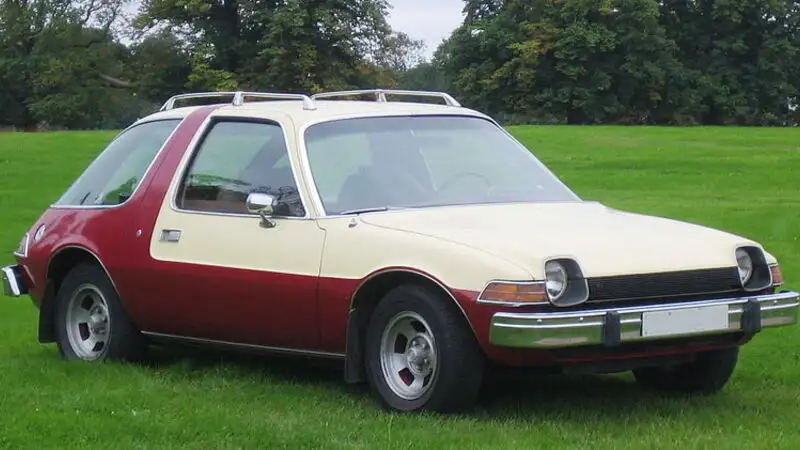
Purchasing a used car can be both exciting and nerve-wracking. Among the most significant risks is unknowingly acquiring a “lemon”—a vehicle plagued by severe defects that affect its value, safety, or usefulness. These vehicles often require repeated repairs, leading to significant financial losses and endless frustration for unsuspecting buyers. Anyone navigating the used car market must know how to spot the warning signs before committing. If you’re in Missouri and facing complex car purchase issues or suspect your vehicle is a lemon, consulting knowledgeable lemon law lawyers in Missouri can offer specialized guidance for your situation.
Lemons are defined not only by the presence of defects but by the persistence of these issues despite multiple, reasonable attempts to fix them. Whether the problems are related to engine performance, electrical systems, or the vehicle’s structure, identifying a lemon early gives buyers a chance to avoid long-term headaches.
Common Red Flags When Buying a Used Car
There are several clues that suggest a potential issue. Buyers should keep a keen eye out for these, as some may not be immediately obvious:
- Inconsistent Vehicle History: Unexplained gaps, frequent owner changes, and suspicious odometer readings might mean prior accidents or hidden repairs.
- Signs of Poor Maintenance: Things like uneven tire wear, rusty bodywork, or dirty engines are classic signals of neglect.
- Unusual Noises or Smells: Pay attention to any odd sounds from the engine or suspension, and be aware of musty odors that may indicate water damage.
- Overly Clean Interior: Although cleanliness is good, an immaculate, overly perfumed interior may be used to cover up deeper issues.
- Missing or Inconsistent Paperwork: The inability or unwillingness of a seller to produce maintenance records or a clear title is a significant warning sign.
The Importance of Vehicle History Reports
Before planning any purchase, always obtain a professional vehicle history report. Renowned services such as Carfax or AutoCheck aggregate critical details, including accident history, odometer rollbacks, salvage titles, and records of previous ownership. Even if a car appears pristine, a history report can reveal whether it has been involved in serious accidents, suffered flood damage, or been salvaged and rebuilt. Skipping this simple step can lead to buying a vehicle that’s worth far less than you’re paying for it. Many reputable sites, such as Consumer Reports, emphasize the necessity of reviewing these reports as part of the purchasing process.
Conducting a Thorough Inspection
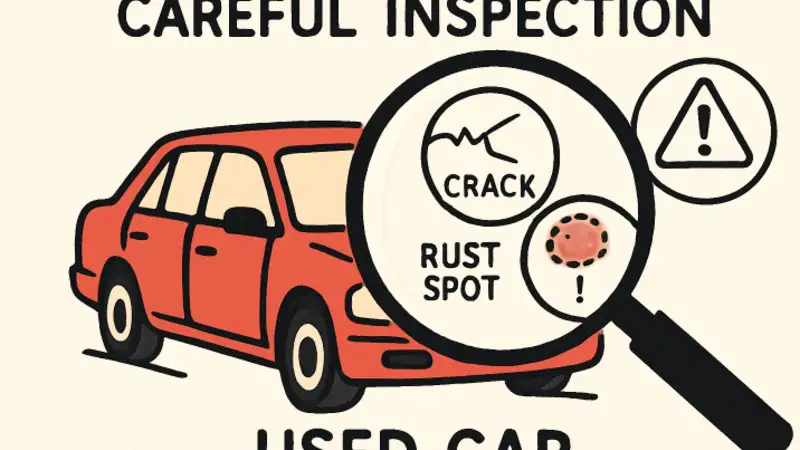
Visual inspections provide direct insight into a vehicle’s condition. Take the time to check thoroughly:
- Exterior: Inspect for scratched paint, poorly aligned panels, rust, or signs of recent repairs, which may indicate previous accidents or flood exposure.
- Interior: Ensure all dashboard lights function properly, inspect the seating for stains, check the seatbelts for fraying, and look for water in the trunk—all potential indicators of hidden damage.
- Under the Hood: Look for oil leaks, worn hoses or belts, and check for odd residue on the engine block. Also, inspect the color of engine fluids to spot neglected maintenance.
Additionally, buyers concerned about specific manufacturer recalls can search for up-to-date information on the National Highway Traffic Safety Administration database, ensuring the car is free from unresolved safety concerns.
Test Driving the Vehicle
Never skip a test drive. This is often the best way to detect subtle mechanical issues that aren’t visible on the surface. During your drive, note:
- Performance: The car should accelerate smoothly, shift gears cleanly (if equipped with an automatic transmission), and not hesitate or stall unexpectedly.
- Noises, such as rattles, knocks, grinding, or squealing sounds, often indicate trouble with critical components.
- Handling: Ensure the car remains straight on flat roads. Unusual pulling, vibration, or delayed braking responses are deal breakers.
Try varying driving conditions, including highways, cities, and rough roads, if possible, to expose any underlying faults.
Seeking a Professional Inspection
Even experienced car buyers can overlook hidden issues that may not be immediately visible. Investing in a professional pre-purchase inspection by a trusted mechanic—usually costing between $100 and $200—offers invaluable peace of mind. Compared to potential repair expenses that can run into the thousands, this small upfront cost is a cost-effective solution. During the inspection, the mechanic evaluates the vehicle’s frame, reviews diagnostic codes, checks for worn or failing mechanical components, and assesses overall condition. The resulting detailed report equips buyers with the knowledge to make informed decisions, avoid costly surprises, and confidently proceed with or reconsider the purchase.
Understanding Lemon Laws
Lemon laws provide essential safeguards for car buyers, though the specifics vary from state to state. Typically, these laws guarantee that if a substantial defect persists despite a reasonable number of repair attempts, buyers may be entitled to a replacement vehicle, refund, or compensation. To fully exercise these rights, it’s crucial to document each repair visit meticulously, keep all service records, and familiarize yourself with your state’s exact requirements. For a comprehensive look at how lemon laws function across the United States, Lemon Law America offers an accessible, detailed guide, helping consumers understand their protections and navigate the process effectively.
Conclusion
Buying a used car doesn’t have to feel like a gamble if you remain vigilant. Recognizing warning signs, demanding complete transparency through thorough paperwork and historical reports, and consulting with professionals can help protect your investment. Should you suspect your new or used car is a lemon, knowing your legal options and enlisting help from experts ensures you’re never outmatched, even in the most challenging scenarios. With the proper approach and reliable resources, you can steer clear of lemons and drive away with greater peace of mind. For more information, visit our website.