
Key Takeaways
- Integration of AI and machine learning enhances threat detection and response.
- Cloud-based solutions offer scalability and remote management capabilities.
- IoT devices offer comprehensive monitoring and control capabilities.
- Biometric authentication strengthens access control measures.
- Emphasis on cybersecurity safeguards for interconnected systems.
Introduction
In today’s rapidly evolving landscape, businesses face an unprecedented variety of security challenges. Advances in technology and shifts in operational requirements have given rise to a new generation of solutions, designed to protect property, personnel, and data more effectively than ever before. Whether managing a single office building or a large-scale multi-site enterprise, understanding the innovations in commercial security systems is essential for creating a safe and resilient commercial environment.
Commercial security is no longer limited to traditional locks and surveillance cameras. It now incorporates cutting-edge developments such as artificial intelligence, the Internet of Things (IoT), and sophisticated cloud-based platforms. By examining these key trends, business owners and security professionals gain valuable insight into how they can address modern risks and streamline their security processes in a rapidly digitizing world.
Artificial Intelligence and Machine Learning Integration
Artificial Intelligence (AI) and Machine Learning (ML) are becoming foundational elements in commercial security systems. Through real-time data analysis and automated learning, AI-driven security can recognize abnormal patterns, flag suspicious behaviors, and prioritize the most urgent threats. AI-enabled video analytics, for example, not only detect physical breaches but also differentiate between false alarms and legitimate risks, reducing the workload for on-site staff and speeding up emergency response times. As seen in many urban centers, these smart systems help property managers and security teams stay ahead of evolving threats by delivering continuous improvement and adaptation.
Cloud-Based Security Solutions
Cloud technology has dramatically transformed the security industry. For commercial property owners, cloud-based security means scalable, centralized, and remotely accessible solutions. With surveillance footage stored securely off-site, authorized users can review incidents, manage permissions, and conduct maintenance updates remotely, eliminating the need for physical presence. This flexibility enables a higher level of uptime and responsiveness, particularly for businesses with multiple locations. Moreover, cloud storage can help organizations meet regulatory requirements and streamline disaster recovery planning. According to CSO Online, cloud solutions represent one of the fastest-growing sectors for security technology investment.
Internet of Things (IoT) Integration
By integrating IoT devices into commercial security systems, businesses benefit from real-time, interconnected monitoring solutions. Smart sensors, cameras, and access controls work together as a comprehensive network, delivering continuous data on everything from motion detection to building temperature and humidity. These devices quickly identify unusual activity—such as doors being propped open or unauthorized movement after hours—and can automate alerts or lockdown procedures.

Biometric Authentication
Biometric authentication is revolutionizing how commercial facilities manage access control. This technology leverages physical attributes, such as fingerprints, facial recognition, or iris scans, to grant or restrict entry. Such measures are nearly impossible to forge, providing a much higher degree of security compared to standard keycards or PIN codes. Organizations are increasingly using biometrics to prevent unauthorized access, confirm employee identities, and enhance compliance efforts. The rise of biometric systems across various sectors, from banking to corporate offices, has been well-documented by Forbes, citing improved reliability and convenience as major drivers.
Enhanced Cybersecurity Measures
Cybersecurity is becoming inseparable from physical security in the modern digital landscape. As commercial security systems connect more devices via the internet and the cloud, the attack surface for potential cyber threats expands. Businesses must now implement robust digital protections, including multi-factor authentication, encryption protocols, firewall management, and regular staff training. Zero Trust Architecture (ZTA) is gaining popularity as a strategy that denies implicit trust to any device or user, requiring continuous verification for sensitive transactions. Adhering to these best practices helps guard sensitive information and ensures the reliability of integrated security systems.
Mobile-Based Access Control
Mobile-enabled access control has introduced new levels of convenience and flexibility for commercial security. By replacing traditional keycards with smartphone apps and Bluetooth-enabled credentials, organizations can greatly reduce the risk of lost or duplicated access keys. Facility managers can issue, revoke, or modify access permissions remotely, and multifactor authentication—such as a facial scan combined with a phone passcode—can further boost security for sensitive areas. The trend towards mobile credentials also supports quick scalability across different properties and divisions.
Advanced Video Monitoring
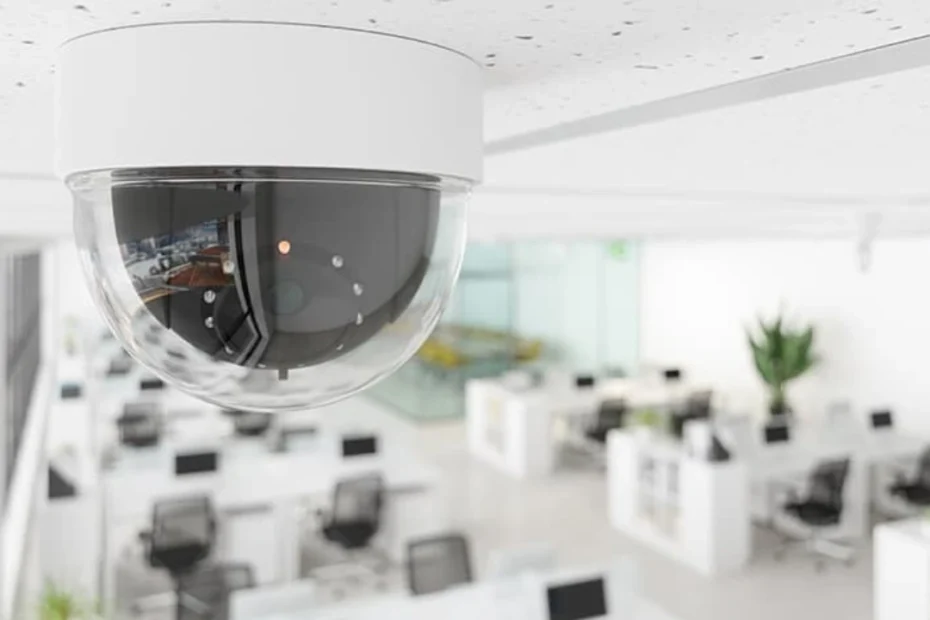
Advanced Video Monitoring (AVM) solutions use specialized AI analytics to identify threats before incidents escalate. Rather than simply recording evidence for later review, these modern video systems actively monitor live feeds, learning typical behavior and flagging anomalies in real time. When an issue arises—such as suspicious activity or loitering—security staff can intervene remotely, using intercoms to challenge intruders or instruct them to leave the premises. This proactive surveillance model is increasingly adopted by industries needing tight compliance or heightened loss prevention, including retail, warehouse, and data center environments.
Final Thoughts
Modern commercial security demands proactive strategies and a willingness to embrace the latest technologies. By integrating AI-powered analytics, cloud-based platforms, IoT devices, biometric access controls, and rigorous cybersecurity measures, businesses create smarter, more flexible, and more resilient security solutions. Staying informed about these emerging trends allows commercial property stakeholders to minimize risks, safeguard assets, and enhance workplace safety as the digital era progresses.