
Starting a printing business is one of the most rewarding ventures you can pursue as an entrepreneur. The demand for custom-printed products, from branded merchandise to promotional materials, has never been higher. Whether you want to serve local businesses, e-commerce brands, or individual customers, there is a profitable niche waiting for you. This guide walks you through everything you need to know to launch your printing business with confidence.
Why the Printing Industry Is Still Booming
Despite the rise of digital media, physical print remains irreplaceable. Businesses still need business cards, banners, and branded packaging. Sports teams need uniforms. Event organizers need merchandise. The global custom printing market is valued in the tens of billions of dollars and continues to grow year over year, fueled by the rise of online storefronts and the demand for personalized products.
What makes printing especially attractive as a business is its versatility. You can start small with a single machine from your garage and gradually scale into a full-fledged production facility. You can serve local clients or sell nationwide through an e-commerce platform. The barriers to entry are manageable, and the profit margins — when managed well — are strong.
Step 1: Choose Your Printing Niche
The first and most important decision you will make is what type of printing to specialize in. Trying to do everything at once is a common mistake for beginners. Instead, pick a niche you can dominate before expanding.
Some of the most popular and profitable niches include:
Custom Apparel Printing — T-shirts, hoodies, hats, and other wearables are perennial bestsellers. This niche pairs well with techniques like embroidery and screen printing, both of which offer high-quality finishes that customers love. Screen printing is cost-effective for large orders, while embroidery adds a premium feel ideal for corporate clients and sports teams.
Promotional Products — Branded pens, tote bags, drinkware, and more. Businesses of all sizes need these for events, trade shows, and employee gifts.
Signage and Banners — Wide-format printing for retail displays, real estate signs, and event backdrops. This niche often commands high ticket prices per order.
Stationery and Packaging — Business cards, brochures, product packaging, and greeting cards. Especially lucrative when targeting small businesses and startups building their brand identity.
Take time to research local demand and online competition before committing to a niche. Talk to potential customers and browse platforms like Etsy and Printful to understand what is already selling well.
Step 2: Write a Business Plan
A printing business needs a solid plan before you invest a single dollar in equipment. Your business plan does not have to be a 50-page document, but it should clearly outline the following:
- Your target market — Who are your ideal customers? Local businesses, schools, event planners, or e-commerce sellers?
- Your services and pricing — What will you offer, and at what price points?
- Startup costs — Equipment, software, supplies, website, and legal fees.
- Revenue projections — How many orders do you need per month to break even and turn a profit?
- Marketing strategy — How will customers find you?
Having this written down keeps you focused and is also essential if you plan to seek a business loan or attract investors.
Step 3: Choose Your Equipment
Your equipment will be your biggest upfront investment, so choose wisely. The right machinery depends on your chosen niche and budget.
Heat Transfer Presses are a great entry-level option for custom apparel. They are affordable, easy to operate, and versatile enough to handle a variety of products.
Screen Printing Machines are the industry standard for high-volume apparel orders. They produce vibrant, durable prints and become highly cost-effective at scale.
Direct-to-Garment (DTG) Printers are ideal for printing full-color, photo-quality apparel designs on demand. They require no setup for each color, making them perfect for small batch and one-off orders.
Embroidery Machines open the door to premium products — think polo shirts, hats, and jackets for corporate clients. Embroidery commands higher prices and attracts customers who want a polished, professional look.
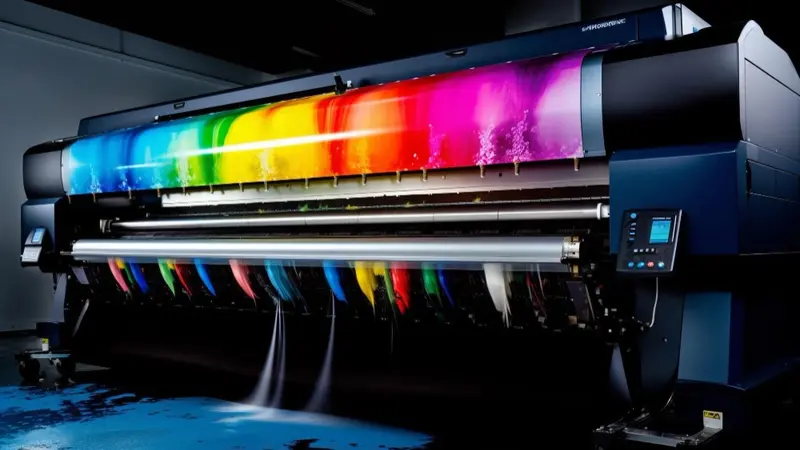
Wide-Format Printers are necessary if you plan to offer banners, posters, or large-scale signage.
Start with one or two pieces of core equipment that match your niche, and add more as your business grows and cash flow allows.
Step 4: Register Your Business and Handle the Legalities
Before taking your first order, make sure your business is properly set up. This includes:
- Choosing a business structure — Most printing businesses operate as an LLC (Limited Liability Company), which protects your personal assets and is straightforward to set up.
- Registering your business name — Choose something memorable and professional that reflects your brand.
- Getting an EIN — An Employer Identification Number is required for tax purposes and to open a business bank account.
- Checking local licenses and permits — Some states and cities require a general business license or a sales tax permit.
- Opening a business bank account — Keep your personal and business finances completely separate from day one.
Taking care of these steps early saves you from headaches down the road.
Step 5: Build Your Brand and Online Presence
In the printing industry, your brand is your portfolio. Customers want to see examples of your work before they place an order, so building a strong visual presence is critical.
Start by creating a professional website that showcases your services, pricing, and a gallery of past work. Include a simple way for customers to request quotes or place orders online. Platforms like Shopify, Squarespace, or WordPress make this accessible even without a technical background.
Set up social media profiles — Instagram and Facebook are particularly effective for product-based businesses because they are highly visual. Post consistently and show behind-the-scenes content, finished products, and customer testimonials to build trust and engagement.
Consider listing your services on platforms like Etsy or Amazon Handmade to tap into existing audiences while you grow your own following.
Step 6: Price Your Services for Profit
Pricing is where many new printing business owners go wrong. They underprice their work to attract customers, only to find they are barely covering their costs. A sustainable pricing strategy accounts for:
- Cost of materials (blank garments, inks, substrates)
- Machine depreciation and maintenance
- Labor — your time has real value
- Overhead (electricity, software subscriptions, website hosting)
- A healthy profit margin — typically 40–60% in the printing industry
Do not be afraid to charge what your work is worth. Quality customers who value craftsmanship will pay fair prices. Customers who only care about rock-bottom pricing are rarely worth pursuing.
Step 7: Market Your Business and Land Your First Clients
With your business set up and your equipment ready, it is time to land your first customers. Here are some effective strategies to get the ball rolling:
- Reach out to local businesses — Visit nearby restaurants, gyms, salons, and retail stores and offer to create branded merchandise or uniforms for them.
- Partner with schools and sports teams — These organizations regularly need jerseys, hoodies, and event T-shirts throughout the year.
- Run social media ads — Even a modest Facebook or Instagram ad budget can drive significant traffic to your website.
- Offer introductory deals — A discount on first orders encourages people to try your services and can turn into long-term repeat clients.
- Ask for referrals — Word of mouth is powerful in this industry. Deliver great work and ask happy customers to spread the word.
Final Thoughts
Starting a printing business takes planning, the right equipment, and consistent marketing — but the rewards are well worth the effort. The industry offers genuine opportunity for entrepreneurs who are willing to invest in quality, build strong customer relationships, and continuously improve their craft. Start focused, price fairly, and never stop learning, and you will be well on your way to building a printing business you are truly proud of.