
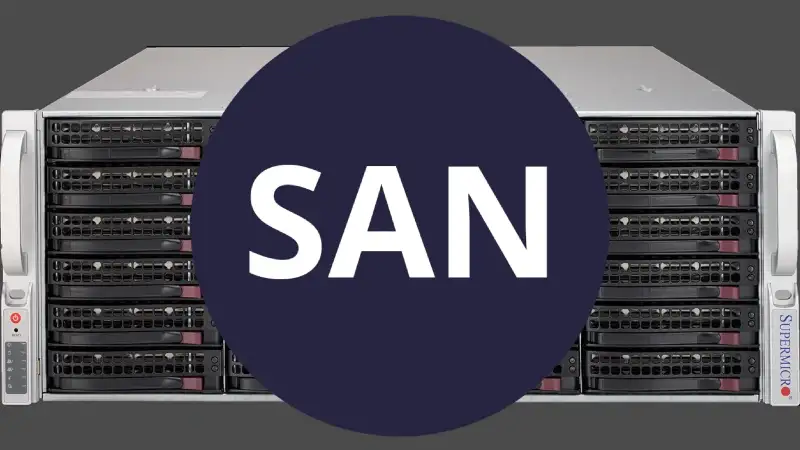
Investing in the right Storage Area Network (SAN) solution is crucial for organizations aiming to enhance their data management, reliability, and growth. Modern SANs empower businesses to consolidate and optimize storage infrastructure, meeting the evolving demands of data-driven operations. For an in-depth look at costs, review this SAN storage price overview from Nfina to gain perspective on market rates and budgeting considerations.
Choosing the appropriate SAN also helps organizations reduce downtime, accelerate workloads, and maintain compliance in regulated industries. Yet, not every SAN fits every business—discovering the right fit requires understanding both technical demands and financial constraints.
Whether you are a growing small to medium-sized business or a large enterprise, this guide will walk you through the key steps and considerations involved in identifying the SAN solution that best meets your requirements. Evaluating both current and future needs will ensure your SAN investment supports long-term goals and maximizes ROI.
Beyond storage size and performance, factors like security, manageability, and integration with your IT ecosystem are increasingly critical in a hybrid and multi-cloud world. Each SAN solution offers unique features, so a tailored evaluation approach is essential.
Understanding SAN Storage
At its core, a Storage Area Network (SAN) creates a dedicated, high-speed infrastructure for block-level storage. Unlike traditional network-attached storage (NAS), SANs allow servers to access storage devices as if they were directly attached, using protocols like Fibre Channel or iSCSI. This architecture excels at supporting demanding workloads, mission-critical databases, and scalability for businesses managing terabytes or petabytes of data.
With modern enterprises generating, transferring, and retaining more data than ever, SANs have become foundational for performance and reliability. SAN deployments minimize data bottlenecks, streamline backups, and provide better disaster recovery options. For a comprehensive overview, consider exploring the Webopedia guide on SANs.

Assessing Your Business Needs
Selecting a SAN solution should always begin with a thorough evaluation of your organization’s needs. Start by quantifying the amount of data you generate and store, both currently and projected into the future. Understanding workload patterns and applications is critical; database servers, virtualization hosts, and big data applications often dictate unique storage performance and reliability requirements.
- Data Volume:Pinpoint your storage footprint and forecast growth to avoid outgrowing the solution too quickly.
- Performance Requirements:Define the minimum throughput and IOPS needed by your business-critical applications.
- Scalability:Anticipate growth—ensure your SAN can expand cost-effectively without total overhaul.
- Budget Constraints:Align solution features with available capital and operational expenditures.
Industry-specific regulatory compliance may impose additional requirements on data protection and retention, mandating that security and audit features are factored into your selection process.
Key Factors in Choosing a SAN Solution
1. Connectivity Options
The heart of SAN performance is its network architecture. Most SANs leverage either Fibre Channel (FC) or iSCSI:
- Fibre Channel (FC):Praised for its speed, low latency, and resilience, FC is ideal for transaction-heavy or latency-sensitive workloads. However, it demands specialized equipment and often comes with a steep price tag.
- iSCSI:Using standard Ethernet infrastructure, iSCSI delivers sufficient performance for many business applications. It proves more cost-effective and flexible, making it popular in mixed-environment data centers.
Your choice should align with your organization’s technical expertise, existing hardware, and the nature of workloads you plan to run.
2. RAID Levels
RAID technology underpins redundancy and performance in SAN arrays. Familiarize yourself with at least the most common configurations:
- RAID 0:Striping data across multiple disks for speed, without any redundancy; not recommended for mission-critical data.
- RAID 1:Disk mirroring for maximum redundancy, but halves usable capacity.
- RAID 5 & 6:Balances redundancy and usable space, offering protection from single or double disk failures, respectively.
- RAID 10:Combines mirroring and striping for high performance and resilience, ideal for heavy database workloads.
Select based on the criticality of your data, desired performance, and cost tolerance.
3. Scalability
As data volumes surge, your SAN must keep up. Solutions supporting modular growth, non-disruptive expansion, and compatibility with public or hybrid clouds ensure investment longevity. Many organizations also utilize cloud storage tiers for cold or archival data, thereby further enhancing flexibility.
4. Security and Compliance
Data protection should be a central component of any SAN deployment strategy. Ensure your solution supports encryption at rest and in transit, robust access controls, and detailed audit logging. Compliance with data privacy regulations such as GDPR or HIPAA may further influence your choice, driving the need for built-in reporting and role-based access features.
Cost Considerations
SAN deployments entail both upfront and ongoing operational expenses. The costs of purchasing hardware, software licenses, and specialized network components can quickly add up. Regular maintenance, support contracts, and periodic upgrades also require consideration.
For organizations with variable or unpredictable workloads, subscription-based or pay-as-you-go models can offer flexibility. Always compare the total cost of ownership alongside feature sets to ensure your investment drives both efficiency and reliability.
Implementation and Management
Effective deployment is vital to reaping the full benefits of your SAN investment. Ensure the solution integrates readily with your current IT stack, supports centralized management platforms, and provides comprehensive monitoring and alerting features. Proper training for IT staff and detailed migration planning will mitigate downtime and speed adoption.
As digital transformation accelerates, prioritize SAN solutions that are compatible with emerging technologies such as AI, machine learning, and containerization frameworks. Effortless integration with public and hybrid cloud environments further expands your capabilities and prepares your storage for next-generation workflows.
Conclusion
Identifying the best SAN storage solution for your business is a multi-faceted decision, requiring a balance of technical performance, security, cost, and future readiness. By thoroughly assessing business needs and carefully weighing available options, businesses can deploy SAN storage that supports current demands and lays the groundwork for sustainable, secure data growth.