
Pests aren’t just irritating; they can also pose serious risks to your home and property. From structural damage to health concerns, the consequences of a pest infestation can be extensive and expensive. Understanding how common pests can impact your home is the first step in preventing damage and maintaining a safe, comfortable living environment.
Termites: The Silent Destroyers
One of the most destructive pests for homeowners is the termite. These insects feed on cellulose, which is in wood, paper, and other plant-based materials. While termites are small, a colony can quietly chew through wooden structures, flooring, furniture, and even insulation. Over time, this can compromise the structural integrity of your home, leading to weakened beams, sagging floors, and even roof collapse in severe cases.
Termite damage often goes unnoticed until it’s severe because these pests are secretive and active mainly at night. Signs of infestation include hollow-sounding wood, mud tubes along foundation walls, and discarded wings near windows or doors. Repairing termite damage can be costly, and addressing the problem early with professional pest control services near me is essential.
Rodents: Chewers and Contaminators
Rats and mice are another common threat to homes and properties. These rodents have a natural tendency to gnaw on materials, including electrical wires, insulation, and wood. Chewed up electrical wires can result in short circuits or even fire hazards. Additionally, rodents are notorious for contaminating food supplies and leaving droppings that carry harmful bacteria and viruses.
Beyond the physical damage, rodents can also cause structural problems. Mice often nest in wall voids and attics, chewing through insulation and creating tunnels that can compromise the integrity of walls and flooring. Controlling a rodent infestation requires a combination of sanitation, exclusion methods (like sealing entry points), and, in many cases, professional intervention.
Carpenter Ants and Other Wood-Destroying Insects
Carpenter ants may not eat wood like termites, but they tunnel through it to build their nests. This tunneling can weaken wooden structures over time, similar to termite damage. Carpenter ants are attracted to moist or decaying wood, which makes homes with leaks or water damage particularly vulnerable.
Other wood-destroying insects, such as certain beetles, can also compromise structural elements. These pests lay eggs in wood, and when larvae hatch, they burrow through the wood, leaving behind small holes and powdery residue. Early pest detection and treatment are necessary to prevent serious damage.
Pests That Affect Landscaping and Outdoor Property
Damage from pests isn’t limited to the interior of your home. Outdoor areas can also be heavily affected. For example, grubs, beetles, and certain types of caterpillars can devastate lawns, gardens, and ornamental plants. These pests feed on roots, leaves, and stems, often leaving your yard looking patchy or unhealthy. Termites and ants can also establish colonies in trees and shrubs, causing dieback or even the death of plants.
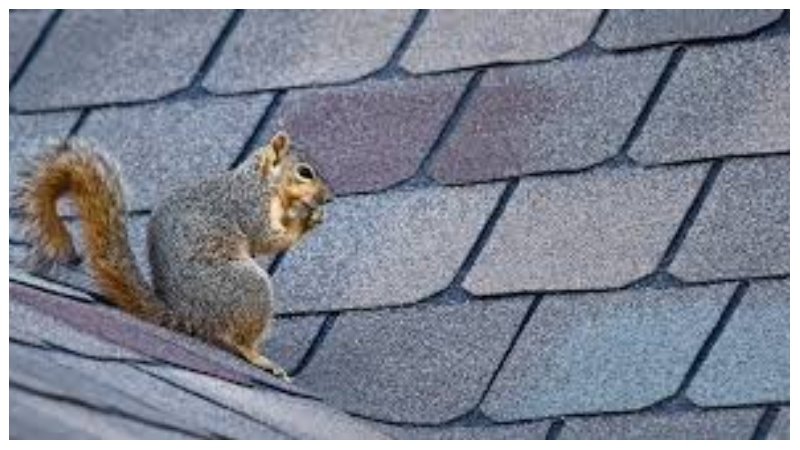
Additionally, birds, raccoons, and squirrels can cause physical damage to outdoor property. They may chew on outdoor wiring, dig up landscaping, or nest in sheds and attics. Protecting your property often requires a combination of pest management, landscaping maintenance, and physical barriers.
Health Risks Associated with Pests
Beyond structural and aesthetic damage, pests can pose serious health risks. Cockroaches, for example, carry bacteria and allergens that can trigger asthma attacks and allergic reactions. Rodents and bats can carry diseases like hantavirus, leptospirosis, and rabies, which can be transmitted through bites, urine, or feces. Mosquitoes are notorious vectors for diseases like West Nile virus and Zika.
Mold and fungi can also become secondary problems after pest infestations. Certain insects are known to go to damp environments, and as they disturb insulation or wood, they may inadvertently create conditions for mold growth, further affecting air quality and health.
Prevention and Early Detection
Preventing pest damage starts with awareness and regular maintenance. Homeowners should inspect their property for pests, such as droppings, chewed materials, or holes in walls and wood. Keeping the home and yard clean, sealing cracks and entry points, and addressing moisture issues are effective first steps in minimizing pest risks.
The best pest control Ashburn VA, services can provide inspections, treatments, and ongoing prevention plans tailored to your home’s specific needs. Early intervention not only reduces the risk of structural damage but also helps protect your family’s health.
Conclusion
Pests can cause extensive damage to homes and properties, from structural weakening by termites and carpenter ants to the health hazards posed by rodents and cockroaches. Outdoor landscaping is also vulnerable to infestations, and failing to address pest problems promptly can lead to costly repairs and unsafe living conditions. By understanding the risks and taking proactive measures such as regular inspections, proper sanitation, and professional pest management, you can protect your home, property, and loved ones from the often hidden but serious consequences of pest infestations.