
Key Takeaways
- Modern workwear integrates advanced materials and technology to improve worker safety and comfort.
- Industry-specific designs cater to the unique demands of different professions, enhancing functionality.
- Sustainable and inclusive workwear practices contribute to employee satisfaction and environmental responsibility.
Table of Contents
- Enhancing Safety and Comfort
- Industry-Specific Designs
- Sustainability and Inclusivity
- Technological Advancements
- Impact on Productivity
- Conclusion
In today’s fast-paced industries, workwear is more than just what employees wear—it’s a critical tool that supports worker welfare and business success. Companies are recognizing that choosing the correct uniform, including custom work shirts tailored to team needs, can influence everything from safety protocols to morale. The proper attire contributes to a culture of professionalism and productivity while addressing day-to-day practicalities in challenging environments.
Modern workwear isn’t just about looking the part; it involves integrating technology, ergonomics, and inclusivity. Today’s workforce expects garments that fit, protect, and adapt to the demands of each job, while businesses are seeking solutions that align with sustainability and diversity. With companies prioritizing employee wellbeing and operational efficiency, the evolution of workwear reflects broader shifts in industry standards and worker expectations.
Enhancing Safety and Comfort
Workplace safety and comfort are foundational to productivity. Innovations in materials, such as flame-resistant fabrics, moisture-wicking textiles, and ergonomic fits, significantly lower the risk of injury while keeping workers comfortable through long shifts. By reducing distractions from discomfort or environmental hazards, employees maintain better focus and are more engaged in their tasks. According to the Occupational Safety and Health Administration (OSHA), workplace attire designed for safety can drastically reduce workplace injuries, leading to a healthier and more productive workforce.
Moisture control, breathability, and weather resistance are features of high-quality modern workwear. Protective gear is now lighter and less restrictive, proving essential for job roles that involve strenuous labor or exposure to fluctuating climates. These advancements allow employees to perform at their best, regardless of the challenges posed by their specific work environments.

Industry-Specific Designs
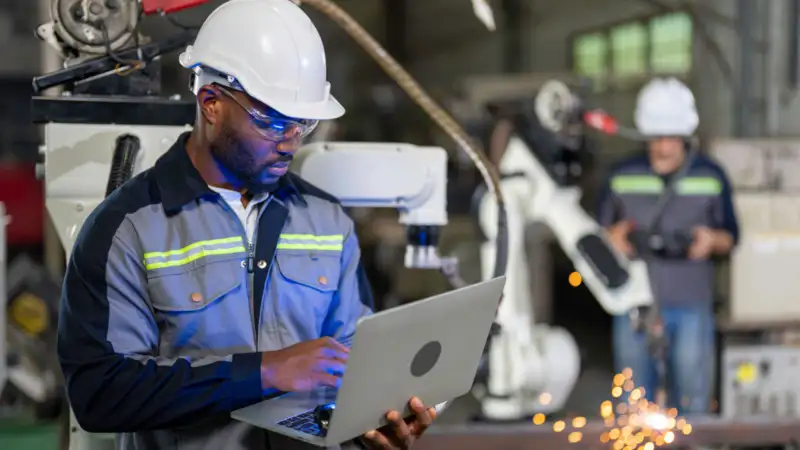
One size does not fit all when it comes to work attire. Each sector faces a unique combination of hazards and requirements—what works in a manufacturing plant may not be adequate in a hospital or culinary setting. For construction and logistics professionals, high-visibility, reinforced clothing is critical, whereas healthcare staff require antimicrobial, flexible uniforms that facilitate hygiene and unrestricted movement.
These tailored approaches ensure that every worker has the gear best suited to their responsibilities. Specialized features such as extra tool pockets, pen holders, or easy-closure systems make workers’ daily tasks more efficient. Brands across all corners of the workwear market are embracing custom solutions, enabling teams to navigate their professional routines while remaining protected and efficient confidently.
Sustainability and Inclusivity
Modern businesses are pressured to reduce their environmental impact and build more inclusive cultures. In response, the workwear industry is increasingly adopting recycled materials, organic cotton, and waterless dyeing techniques. Leading brands are committed to environmentally responsible practices that also meet high-performance standards for durability and comfort.
Inclusivity in workwear addresses gender, body type, and cultural needs. The move toward gender-neutral cuts and adjustable sizing celebrates workplace diversity and ensures that all employees feel comfortable and represented. This, in turn, improves morale, engagement, and overall job satisfaction—a critical advantage in today’s competitive labor markets.
Technological Advancements
Smart technology is transforming workwear from simple protective clothing into multifunctional tools that enhance safety and efficiency. Modern wearable tech can include sensors that monitor vital signs, detect fatigue, or alert employees to hazardous environmental conditions such as extreme temperatures, toxic gases, or chemical exposure. These innovations allow companies to intervene before accidents occur, significantly reducing workplace injuries and downtime.
Connected garments also enable real-time data sharing between employees, management, and safety systems. For example, in construction or manufacturing settings, wearable devices can track a worker’s location in hazardous zones, automatically trigger emergency alerts, and even provide supervisors with analytics to identify potential risks across the site. This proactive approach not only safeguards individuals but also optimizes operational planning and resource allocation.
Industries such as emergency response, mining, and logistics are increasingly leveraging these technological features to monitor employee well-being at scale while maintaining individual-level privacy. Heated clothing, integrated GPS tracking, posture-correcting exoskeletons, and garments with built-in communication systems are no longer futuristic concepts; they are becoming standard in high-risk and precision-driven environments. As these technologies become mainstream, businesses are strategically investing in workwear to future-proof their workforces against the growing demands of modern industry.
Effect on Productivity
High-quality, thoughtfully designed workwear does more than meet safety standards; it empowers employees to perform at their best. Comfort, mobility, and functionality reduce fatigue and minimize distractions, allowing workers to focus entirely on their tasks. For example, uniforms with moisture-wicking fabrics, ergonomic fits, or adaptive thermal regulation can keep employees comfortable throughout long or physically demanding shifts, translating directly into sustained productivity.
Moreover, the psychological impact of investing in employee attire is significant. When staff feel that their employer cares about their comfort, safety, and professional presentation, job satisfaction increases. This, in turn, boosts engagement, reduces turnover, and fosters a sense of pride and unity within the team. In frontline roles, where employees often face physically demanding or high-stress situations, access to purpose-built workwear helps blur the boundary between basic compliance and genuine support for employee well-being. Companies that embrace these principles often report higher productivity, lower absenteeism, and a stronger organizational culture that reinforces loyalty and long-term performance.
Conclusion
Modern workwear has evolved beyond simple uniformity or regulatory compliance; it has become a strategic tool for enhancing productivity, safety, and employee engagement. By adopting innovative, technologically enhanced, and ergonomically designed clothing solutions, businesses can create safer, more comfortable, and inclusive workplaces. These investments yield tangible benefits, including improved employee retention, reduced downtime from injuries, and a competitive edge in attracting skilled talent. As industries continue to evolve and integrate new technologies, companies that prioritize intelligent, industry-specific workwear will continue to see measurable returns for both employees and their broader organizational goals. For more information, visit our website.