
Key Takeaways
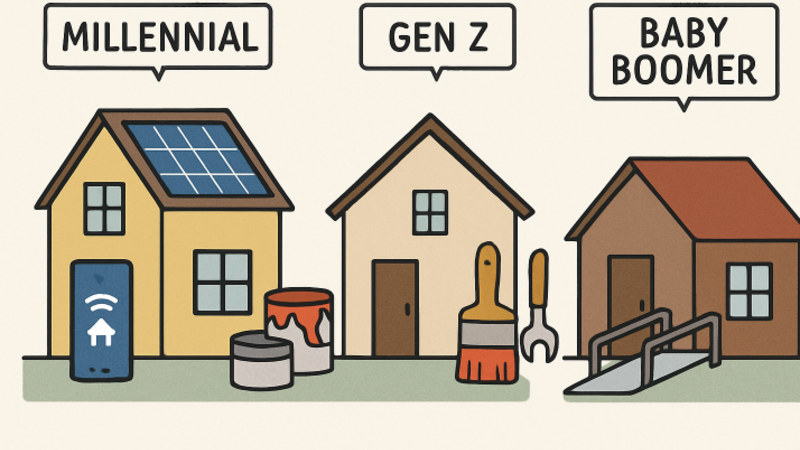
- Millennials are leading in home improvement spending, prioritizing upgrading existing homes over moving to new ones.
- Gen Z homeowners are strongly inclined toward DIY projects inspired by digital and social platforms.
- Baby Boomers focus on home maintenance and accessibility for long-term comfort and safety.
- Technology and sustainability influence home improvement trends across all age groups.
The priorities and lifestyles of each living generation deeply shape the evolving landscape of home improvement. Understanding how Millennials, Gen Z, and Baby Boomers approach renovations, maintenance, and new technology not only reveals today’s trends but helps forecast the future of residential upgrades. Insights on generational habits and goals, such as those revealed in residential windows Generational Insights On Home Improvement provide a window into the shifting motivations behind home projects.
While economic pressures and cultural influences differ among age groups, every generation impacts the home improvement market in unique and significant ways. Those who track industry shifts note that spending habits, renovation styles, and a growing emphasis on sustainability are all deeply tied to generational values and technologies. As younger buyers step into homeownership, their approach to personalization, DIY, and social media sharing ushers in new ways of thinking about home projects. Meanwhile, older generations bring stability to the market by investing in maintenance for long-term comfort. The interplay between these forces results in a complex, evolving market that affects homeowners, industry professionals, and local communities alike.
Millennials: The Renovation Generation
Millennials have taken the lead in reshaping the home improvement landscape, surpassing other generations in household spending on renovations. Angi’s 2025 State of Home Spending Report observed that this group is less likely to relocate due to high mortgage rates and a competitive real estate market. Instead, Millennials channel resources into upgrading existing spaces, tackling everything from kitchen remodels to energy-efficient upgrades.
The values of customization, sustainability, and smart home technology often guide this generation’s renovation choices. Resources such as CNBC note that Millennials often choose projects that increase long-term value, reduce utility costs, and reflect their unique lifestyles. This positions them as influential market drivers and trendsetters in home improvement.
Gen Z: Embracing DIY Culture
Gen Z is beginning to make its mark, especially as more members of this group become homeowners. Highly active on platforms such as TikTok and Instagram, Gen Z consumers are turning to DIY projects, not only to save money but also to showcase their creativity. A survey highlighted by Fortune found that over half of Gen Z homeowners plan to focus on renovations in 2025, illustrating a do-it-yourself spirit fueled by digital content and social inspiration.
This hands-on approach is influencing trends in personalization and fostering a sense of empowerment among younger homeowners. Gen Z often seeks tutorials, quick hacks, and peer advice online before committing to professional help, which in turn is motivating brands and influencers to create more educational and accessible renovation content.
Baby Boomers: Aging in Place
For Baby Boomers, home improvement centers on comfort, safety, and accessibility. As many in this generation approach retirement, they are choosing to remain in their current homes for as long as possible. This has led to increased investments in accessibility upgrades, such as barrier-free showers, wider doorways, and stair lifts. In 2024, Boomers spent substantial amounts on home projects that ensure their living environments remain both functional and secure. Maintenance also remains a key focus for Boomers, as older properties often require ongoing care to retain value and safety. The commitment to aging in place is shaping service offerings throughout the industry and providing stability for sectors specializing in senior-friendly home modifications. CNBC reporting emphasizes the growing demand for accessible design as demographics shift.
Technological Integration Across Generations
Technology is a driving force in home improvement decisions for all generations. Millennials and Gen Z homeowners, in particular, have adopted digital tools and artificial intelligence to help plan, design, and execute projects efficiently. Virtual design apps, price comparison tools, and AI-driven inspiration sources enable homeowners to envision changes and manage renovations with greater confidence.
Social media and AI tools are also becoming essential resources for homebuyers and renovators. A recent HousingWire report found that 35 percent of younger homebuyers rely on these digital sources for project guidance and community support. This technology-driven approach not only accelerates decision-making but also encourages collaboration and creativity in home improvement.
Sustainability: A Common Thread
Amid generational differences, sustainability remains a central thread in modern home improvement. Homeowners across age groups are increasingly choosing energy-efficient appliances, eco-friendly building materials, and sustainable designs. This universal shift is not only beneficial for the planet but also provides long-term financial returns and aligns with heightened awareness of environmental impact. Government incentives, evolving consumer preferences, and greater availability of green products drive the momentum toward sustainability. Publications such as The Washington Post have observed an uptick in demand for eco-conscious home upgrades, as more Americans recognize the value and necessity of environmentally responsible renovations.
Conclusion
Generational influences are reshaping the home improvement industry in profound ways. Whether it is Millennials investing in extensive renovations, Gen Z sparking a surge in DIY culture, or Baby Boomers ensuring their homes are safe for years to come, each group brings fresh perspectives and priorities to the field. The integration of technology and the shared pursuit of sustainability are likely to remain strong forces in the years ahead, ultimately creating a market that is adaptable, innovative, and deeply connected to the evolving needs of homeowners of all ages.