
Key Takeaways
- Vinyl flooring is available in multiple types, each suited to different rooms and design preferences.
- The durability and feel of vinyl flooring are influenced by factors such as wear-layer thickness and core construction.
- Style choices should take into account both personal taste and long-term practicality.
- Budgeting for both material and installation will help avoid unexpected expenses and ensure satisfactory results.
Vinyl flooring is increasingly sought after by homeowners looking for an affordable yet stylish way to upgrade their living spaces. Thanks to impressive advances in manufacturing, vinyl flooring is now available in a diverse array of styles that mimic everything from natural wood to stone finishes. However, selecting the right option can be daunting, especially with so many factors to consider. If you are ready for a professional touch, Artisan Flooring of NC vinyl floor installation can assist in bringing your project to life with quality and expertise. With proper guidance and installation, vinyl flooring can transform any room into a comfortable, visually appealing space. This guide breaks down the key decision points, ranging from flooring types and durability factors to budgeting and maintenance, to help you choose the best vinyl flooring for your style and budget. By understanding the differences among vinyl products and the practical factors involved, you will be equipped for a successful flooring investment.
Understanding Vinyl Flooring Types
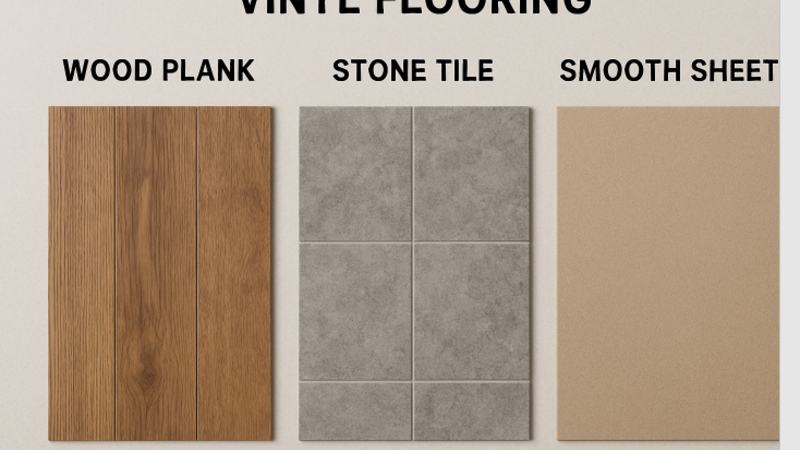
Vinyl flooring comes in three main formats: Luxury Vinyl Plank (LVP), Luxury Vinyl Tile (LVT), and sheet vinyl. Each type offers distinct advantages for different spaces in the home, allowing you to match form with function effectively.
- Luxury Vinyl Plank (LVP):Designed to closely resemble hardwood planks, LVP brings warmth and a traditional look to rooms. It is favored for its realistic textures and waterproof properties, making it suitable for areas like kitchens, bathrooms, and basements.
- Luxury Vinyl Tile (LVT):LVT provides the classic appeal of stone or ceramic tile with enhanced underfoot comfort and warmth, making it a go-to choice for entryways, laundry rooms, or any space that benefits from the refined look of tile without the cold surface.
- Sheet Vinyl:Available in large, continuous rolls, sheet vinyl delivers a seamless appearance, helping reduce the number of joints where water could seep through. It is cost-effective and especially practical for moisture-prone rooms.
Evaluating Quality and Durability
When it comes to long-lasting performance, quality is often determined by the wear layer, construction, and installation approach.
- Wear Layer Thickness:The transparent top layer offers defense against scratches, scuffs, and stains. Thicker wear layers (at least 12 mils for average to high-traffic homes) will keep floors looking newer for longer.
- Core Construction:The core can be either stone plastic composite (SPC) or wood plastic composite (WPC). SPC is more rigid and ideal for heavy-use areas, while WPC is softer underfoot and preferred for frequently used living spaces and bedrooms.
- Installation Method:Click-lock planks and tiles snap together for easier DIY jobs, while glue-down options provide extra stability over larger spaces. Loose lay variations are another option, requiring minimal adhesives.
Balancing Style and Practicality
With vinyl flooring, homeowners can choose virtually any color, pattern, or finish. While striking colors or textures can make a bold statement, classic, neutral patterns often outlast passing trends and adapt better to evolving interior decor. Before making a final decision, always request samples to assess their appearance under your home’s lighting conditions and alongside your current furniture and wall colors. Modern vinyl flooring can convincingly mimic natural materials while offering the practicality and cost savings of synthetic materials. This makes it possible to update your room’s look without sacrificing everyday function or ease of upkeep.
Setting a Realistic Budget
Vinyl flooring is renowned for its cost-effectiveness, but expenses depend on format, thickness, and brand. Budget sheet vinyl may cost as little as $1 per square foot, while higher-end LVP or LVT with enhanced durability or printed detail can reach $5 or more per square foot. Premium rigid core (SPC or WPC) products may range from $3 to $7 per square foot. Professional installation typically adds $1.50 to $3 per square foot. Homeowners should also plan for additional supply costs such as underlayment, transition strips, and installation tools to avoid last-minute surprises.
Maintenance and Longevity
One of vinyl flooring’s biggest selling points is its ease of maintenance. Protect your floors by placing felt pads underneath furniture and avoiding abrasive cleaning pads. Regular sweeping and occasional mopping with a pH-neutral cleaner will keep your floors looking pristine. With this care, high-quality vinyl can retain its appearance for 15 to 20 years.
Eco-Friendly Considerations
Sustainability is becoming a larger concern for many homeowners. Today, several vinyl manufacturers offer products with lower VOC emissions and partially recycled content. Choosing vinyl flooring certified by FloorScore or GREENGUARD ensures better indoor air quality for your household.
Conclusion
The right vinyl flooring balances visual appeal, durability, and cost, offering a practical way to refresh a home environment. By weighing the differences among flooring types, focusing on quality aspects, and considering longevity alongside everyday use, you can confidently select a product that enhances your home and matches your lifestyle.