
Key Takeaways
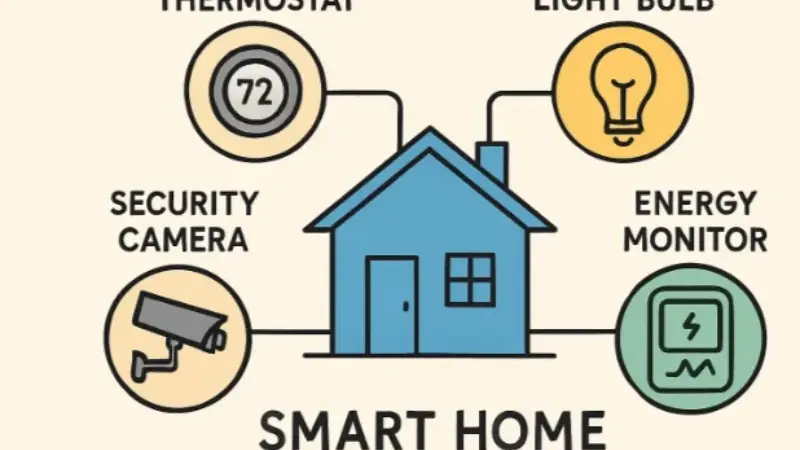
- Smart thermostats and lighting can dramatically cut energy use and costs.
- Consistent preventive maintenance helps prevent expensive and unexpected repairs.
- Modern security systems can protect your home and reduce your insurance bill.
- Automating or scheduling seasonal tasks ensures your house is in peak condition year-round.
Maintaining a home can feel overwhelming, but with the right approach, you can simplify the upkeep and significantly reduce your monthly costs. Integrating smart home solutions with a proactive maintenance plan ensures your home remains efficient, secure, and comfortable without unnecessary expense. Services such as handyman maintenance can help when specialized skills or time constraints prevent you from tackling the job yourself.
This guide explores actionable strategies and smart devices that streamline maintenance and help you save money. By combining technology with practical scheduling and maintenance, you can address minor issues before they become major repairs and enjoy a better quality of life in your home. Smart thermostats, energy-efficient lighting, scheduled system checks, and modern security devices not only improve comfort and safety but also lead to significant utility and repair savings. Regular, proactive care supported by smart technology means less stress and fewer surprises throughout the year. Understanding these key habits means you can maximize your home’s value, reduce your environmental impact, and keep maintenance truly manageable. Whether you’re a seasoned homeowner or new to DIY projects, these tips will empower you to create a smart, low-maintenance environment.
Smart Thermostats: Efficient Climate Control
One of the simplest and most effective upgrades for a modern home is the smart thermostat. These devices constantly learn your daily schedule and adjust heating and cooling without requiring manual input, resulting in both comfort and efficiency. According to the U.S. Department of Energy, raising your thermostat by just 7 to 10 degrees for eight hours a day can reduce yearly energy costs by up to 10 percent. Choosing a reputable brand with robust connectivity ensures seamless integration and long-term reliability. If you would like more guidance, please refer to the ENERGY STAR smart thermostat recommendations.
Smart Lighting: Illuminating Savings
Switching to smart lighting systems transforms how you illuminate your living spaces. These bulbs, often equipped with LEDs, can be controlled remotely or on a schedule via your smartphone or home assistant. LEDs use less energy than traditional bulbs, and smart features like motion sensors and dimming functions further extend their efficiency. While the initial investment is higher, the return on energy savings and bulb longevity more than compensates.
Preventive Maintenance: Staying Ahead of Repairs
Smart home apps and sensors allow you to easily keep up with routine tasks like replacing HVAC filters, inspecting plumbing, or checking the water heater. By logging and automating reminders, you can ensure maintenance never falls behind. Leak detectors and humidity sensors add another layer of protection, alerting you to subtle changes that might signal a pending issue. Addressing these problems early means fewer emergency repairs and lower costs over time.
Smart Security: Protecting Your Home and Wallet
Installing smart security devices such as video doorbells, motion detectors, and connected alarms is a wise investment. These tools can help deter intruders and provide immediate alerts if suspicious activity occurs, even when you are not home. Many insurance providers now offer discounts for properties equipped with these systems, making it a financial win in addition to improved peace of mind.
Seasonal Maintenance: Preparing for Weather Changes
Each season presents unique maintenance needs. Automated systems can adjust indoor temperatures based on weather forecasts or detect freezing conditions that threaten your plumbing. Scheduling seasonal tasks such as gutter cleaning and HVAC servicing prevents last-minute scrambles. Leveraging smart home automation to keep these tasks on track eliminates forgetfulness and reduces the risk of costly repairs prompted by neglected chores.
Energy Monitoring: Tracking Consumption
With smart plugs and home energy monitors, you can obtain real-time feedback about your energy consumption. These tools identify which appliances or areas of your home are demanding the most power. Once you know where your consumption spikes are, you can make changes such as unplugging idle devices or upgrading to more efficient appliances. The result is lower monthly utility bills and a reduced environmental footprint.
Appliance Maintenance: Ensuring Longevity
Modern appliances are equipped with sensors and connectivity features that will notify you when maintenance is required, whether it’s cleaning refrigerator coils, descaling a coffee machine, or starting a washer cleaning cycle. These alerts let you address maintenance needs before a breakdown occurs. Keeping up with these tasks ensures longer appliance lifespans and more reliable operation without inconvenient disruptions.
Conclusion
Smart home technology combined with proactive maintenance habits is the most effective way for homeowners to save time and money. From climate control and security to seasonal upkeep and energy monitoring, these habits prevent surprises and empower you to live more comfortably. Investing in the right devices and staying ahead of routine maintenance keeps your home’s systems running smoothly and supports long-term financial health. visit my website