
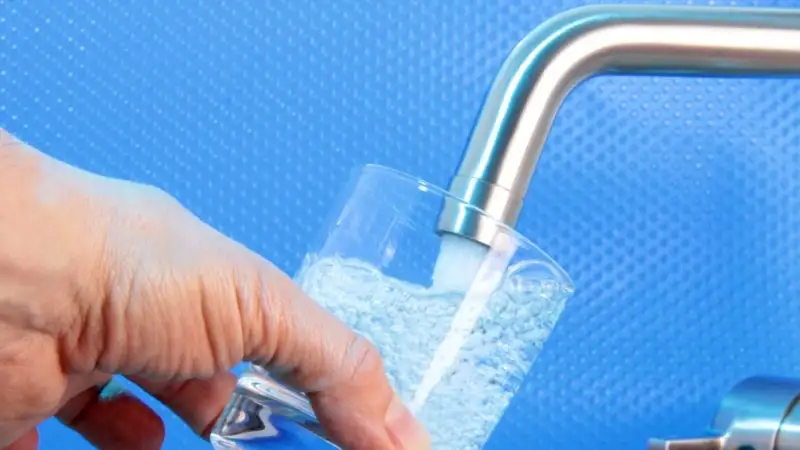
Imagine turning on your tap for a refreshing glass of water, only to wonder if hidden dangers lurk inside. Clean water seems like a given, but common water contaminants in well and municipal water can slip through unnoticed. From natural minerals to human-made chemicals, these threats affect millions across the UK. As someone who’s reviewed countless water quality reports from the Environment Agency, I know the stakes. This article uncovers 10 harmful substances, their sources, and why you should act now. Knowledge empowers you to protect your health.
Lead: The Silent Pipe Poison
Lead sneaks into water from old pipes and solder in homes built before 1970. Even low levels build up over time, harming children’s brains and kidneys. For instance, a single corroded pipe can taint your entire supply. Test your water annually, especially if you live in an older property. Replacing lead pipes often solves the issue swiftly.
Arsenic: Nature’s Hidden Toxin
Arsenic occurs naturally in rocks and soil, leaching into wells during heavy rain. Municipal systems sometimes struggle with it too. Long-term exposure raises cancer risks and skin problems. The World Health Organisation flags it as a top concern in rural areas. Drilling deeper wells or adding filters helps remove it effectively.
Nitrates: Runoff from Farms
Farm fertilisers and animal waste wash nitrates into groundwater and rivers. Babies face “blue baby syndrome” from high levels, where blood can’t carry enough oxygen. Councils monitor public supplies, but private wells need vigilance. Reducing fertiliser use upstream cuts this risk at the source.
Bacteria Like E. coli: Germs in the Ground
- coli and other bacteria breed in sewage or animal droppings that seep into shallow wells. They cause stomach upsets, diarrhoea, and worse. Municipal treatment kills most, but cracks in pipes let them through. Boiling water or UV filters provide quick defence. Regular shocks with chlorine keep wells safe.
PFAS Chemicals: Forever Pollution
These “forever chemicals” from non-stick pans and firefighting foam persist in water for years. They link to immune issues and thyroid problems. Found in both well and treated water, PFAS defy standard filters. Advanced carbon systems trap them best. Government bans are coming, but testing remains key.
Chlorine Byproducts: Treatment Gone Wrong
Municipal water gets chlorine to kill germs, but it reacts with organic matter to form trihalomethanes. These byproducts may increase cancer odds over decades. Wells avoid this, yet face other woes. Letting water stand or using activated carbon reduces exposure without hassle.
Pesticides: Chemicals from Fields
Herbicides and insecticides drift from crops into aquifers. They disrupt hormones and harm wildlife. Rain amplifies the spread. While levels stay low in treated water, wells near farms suffer more. Common water contaminants in well and municipal water like these demand targeted removal tech.
Radon: Radioactive Gas Risk
Radon gas from uranium-rich rocks dissolves into well water, releasing particles when you shower or drink. It boosts lung cancer chances indoors. Municipal supplies rarely carry it, but private owners must check. Aeration systems vent it out safely.
Mercury: Industrial Leftovers
Mercury from old factories or coal plants contaminates rivers and seeps underground. It attacks the nervous system, causing tremors and memory loss. Fish in polluted waters concentrate it further. Strict EU rules limit it in public supplies, yet wells nearby need testing.
Microplastics: Tiny Plastic Invaders
Microplastics from tyre wear, cosmetics, and waste break down into water sources. They carry toxins and may inflame guts. Both well and municipal water show traces now. Fine filters catch larger bits, but research continues on health impacts.
In summary, these 10 harmful substances remind us that safe water demands attention. Whether you rely on a well or mains supply, test regularly through local labs or kits endorsed by the Drinking Water Inspectorate. Simple steps like filters, boiling, and maintenance shield your family. Stay informed, act decisively, and reclaim peace of mind with every sip.
FAQ
How often should I test my well water?
Test private wells yearly for bacteria and nitrates, plus every three years for chemicals like arsenic. Contact your local council for free advice.
What’s the best home filter for contaminants?
Reverse osmosis units tackle most, including lead and PFAS. Choose NSF-certified models for proven results.